




Start with market demand
Every service expansion decision should start with a clear picture of what the surrounding market is demanding. A market demand study can identify important shifts in population trends, referral activity, competing services and resident expectations that remain unmet or poorly defined.
That study can help answer very practical questions. Is memory care demand increasing? Are consumers looking for more affordable options than skilled nursing? Is interest growing in short-term rehabilitation, enhanced assisted living or hospitality-driven amenities?
Formal analysis often is strengthened by internal signals, including wait lists, recurring family questions or referral patterns that suggest consistent and / or unmet demand. When providers base expansion choices on measurable need instead of assumptions, they lower risk and increase the likelihood that the business strategy will perform as intended.
Look past the wait list
Resident need is not the same thing as market demand, and the difference is important. A campus may have a reputation for one type of care, whereas the people living there increasingly need another type as they age in place and remain on campus longer.
Campuses originally centered on independent living may see an increasing need for assisted living, memory support, or more adaptable post-acute services. Some providers also are finding that reducing traditional skilled care beds and converting selected areas to lower-needs residential models can better accommodate family preferences and residents’ goals for independence.
Repositioning of this kind also can produce settings that feel more residential and less institutional. Reviewing resident profiles, family input, care transitions, discharge patterns and unresolved requests can show whether the existing service mix still aligns with those being served.
Evaluate operational readiness
Even when the market opportunity is evident, an expansion will work only if the organization is prepared to sustain it operationally. Introducing a new care or service line takes more than refreshing finishes or renovating part of a building.
It may require different staffing approaches, revised clinical workflows, regulatory compliance, additional training, technology upgrades and updated programming. Leaders should consider whether they can attract and keep the right team, and whether current systems can handle the added complexity.
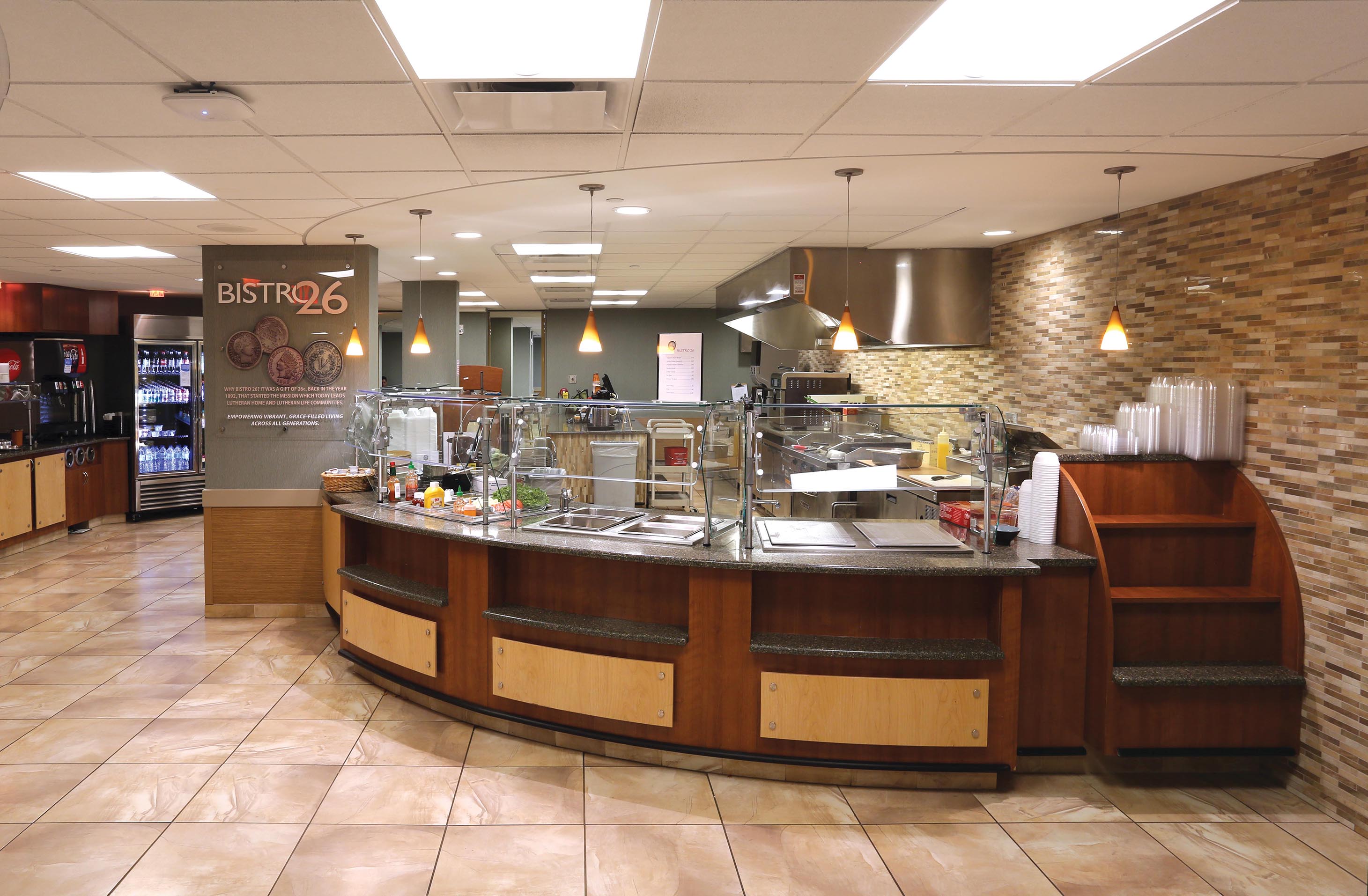
Not every gap in the market deserves a response. Sometimes a limited enhancement — such as a bistro, wellness feature or short-term stay option — can add value without placing too much strain on staffing and / or operations.
Assess the building's potential
The built environment directly influences whether a service expansion is feasible. Existing facilities should be reviewed for code compliance, life safety, circulation, lighting, privacy and their ability to support the planned level of care.
Physical feasibility involves more than meeting minimum requirements. It also means shaping environments that promote dignity, safety, staff effectiveness and quality of life while still feeling like home rather than an institution.
One strong example is the renovation of Magnolia Gardens at Skaalen Retirement Services, a specialized memory care community-based residential facility located on the Skaalen Retirement Services campus in Stoughton, WI. There, an outdated skilled care setting became a 16-unit community-based residential facility. Double-occupancy rooms were changed into private rooms with full baths. Lighting and access control were enhanced, and walls were opened to draw more daylight into interior areas.
The project also added centralized staff areas, a full cooking and serving kitchen, a bathing spa, laundry space and cabinetry designed for multiple uses. To reach the intended vision, careful analysis of code-related changes and how to complete them was essential to securing approval for a new license. The result demonstrates how understanding licensing requirements can lead to well-considered solutions that fit existing conditions and reposition a building for a more relevant care model.
Existing conditions can restrict what is possible when spaces are repurposed, so identifying those limits early in planning helps prevent problems later.
Create the strategy across disciplines
The strongest expansion efforts seldom are driven by a single department. They are shaped through collaboration among leadership, nursing, facilities, operations and frontline staff members who know how residents experience the campus each day.
On the Magnolia Gardens project, team members from several departments offered insights that helped the design address staff frustrations, unmet workflow needs and obstacles to serving residents well. That input is not simply helpful; it is a practical way to reduce risk, improve implementation, support a healthier business model and, ultimately, strengthen the bottom line.
When organizations involve stakeholders early, they are better positioned to uncover hidden barriers, avoid expensive redesigns and develop solutions that function in daily practice, not just on paper. That involvement often separates an appealing concept from a strategy that actually can be executed. Considered, deliberate planning can benefit both owners and residents. Early planning remains one of the clearest predictors of future success.
Converting capacity into capability
Service expansion should be more than a reaction to vacant space, competitive pressure or the urge to keep pace with the market. The most resilient strategies take shape when leaders consider market demand, resident need, operational readiness and physical feasibility as connected parts of the same decision. When those elements work together, a campus can turn unused capacity into purposeful capability, evolving in ways that are strategic, financially sustainable and aligned with mission.