



Start with the right process: 5 core steps to set you up for success
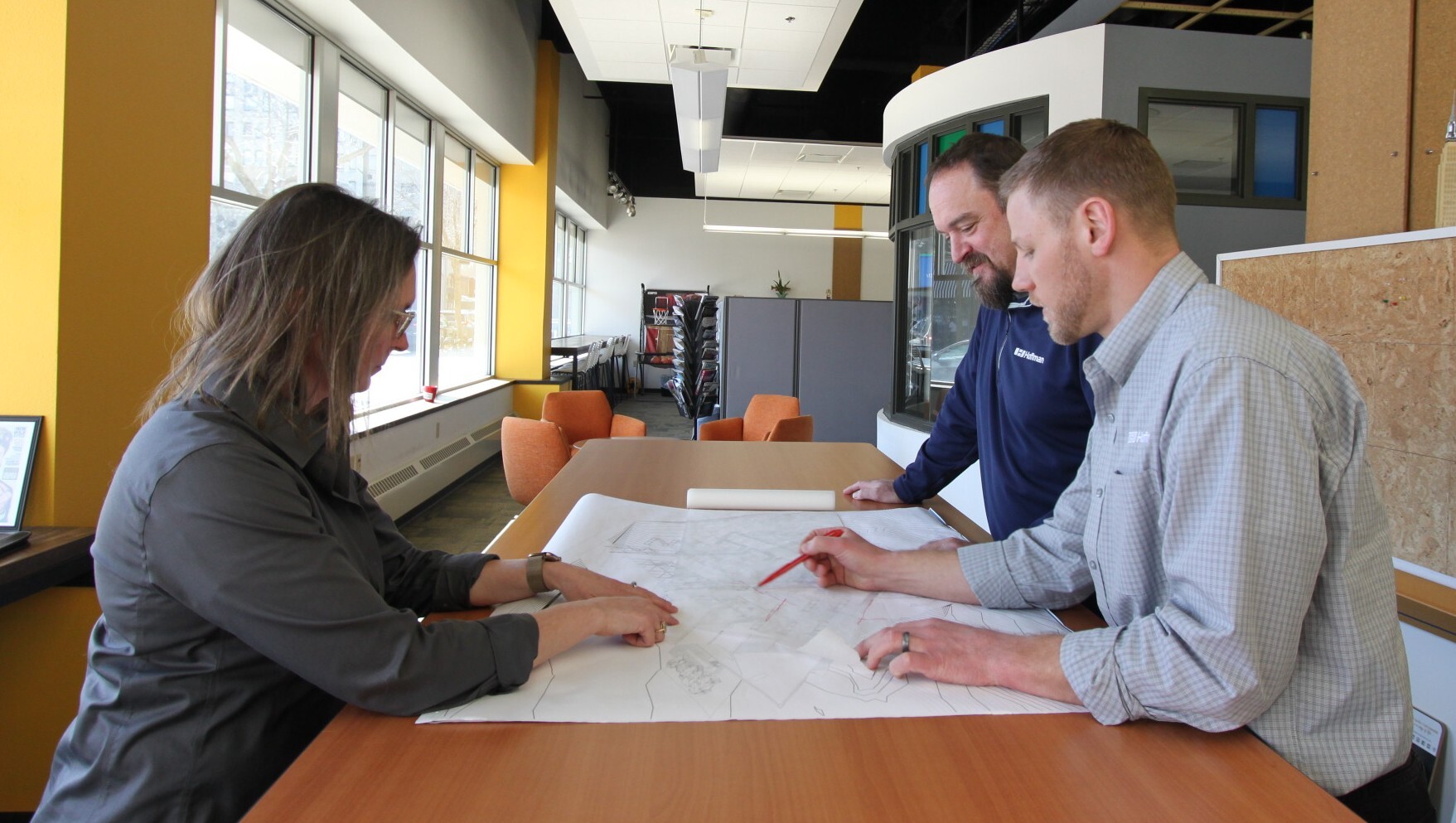
1. Form a strategic-planning committee.
Assemble a committee comprised of both board members and senior leadership. Clearly define roles and responsibilities from the outset to ensure accountability and ownership across the organization.
2. Assess your current situation.
Begin with a comprehensive internal review, such as a SWOT (strengths, weaknesses, opportunities and threats) analysis. Evaluate your building conditions, property layout, space use, staffing structure and operational performance. This internal scan is critical to understanding where you are today.
3. Evaluate external opportunities and challenges.
Use market studies and needs assessments to understand your service area’s demographics, competitive landscape and unmet needs. This external lens helps guide your calculated direction.
4. Establish priorities and vision.
With both internal and external data in hand, hold facilitated discussions with the committee to define strategic priorities. Those discussions should include goals on:
- Growth
- Space use and service mix
- Internal operational and finance
This phase sets the directional compass for your entire organization.
5. Assess financial feasibility and develop a road map.
Conduct financial analyses to determine what is achievable. Then, develop a strategic plan with clearly defined goals, timelines, implementation steps and responsible parties. For communities considering changes to service mix or building use, this is also the time to incorporate conceptual designs, master property planning and project budgeting.
Why board engagement is essential, from start to finish
Your board’s involvement should begin on day one. Their engagement is not just symbolic; it is practical and vital.
Board members bring strategic perspective, community knowledge, unique insights and fiduciary responsibility to the table. By participating in the planning committee, they gain insight into the rationale behind major recommendations and are better equipped to govern through the changes ahead.
The board’s main responsibilities throughout the process include:
- Evaluating the outcomes of assessments
- Asking the right questions (and the difficult questions)
- Ensuring the plan’s alignment with the organization’s mission and vision
- Approving the strategic plan and supporting its implementation.
When board members are engaged from start to finish, they become champions of the strategy, not just approvers of it.
A case study in strategic success
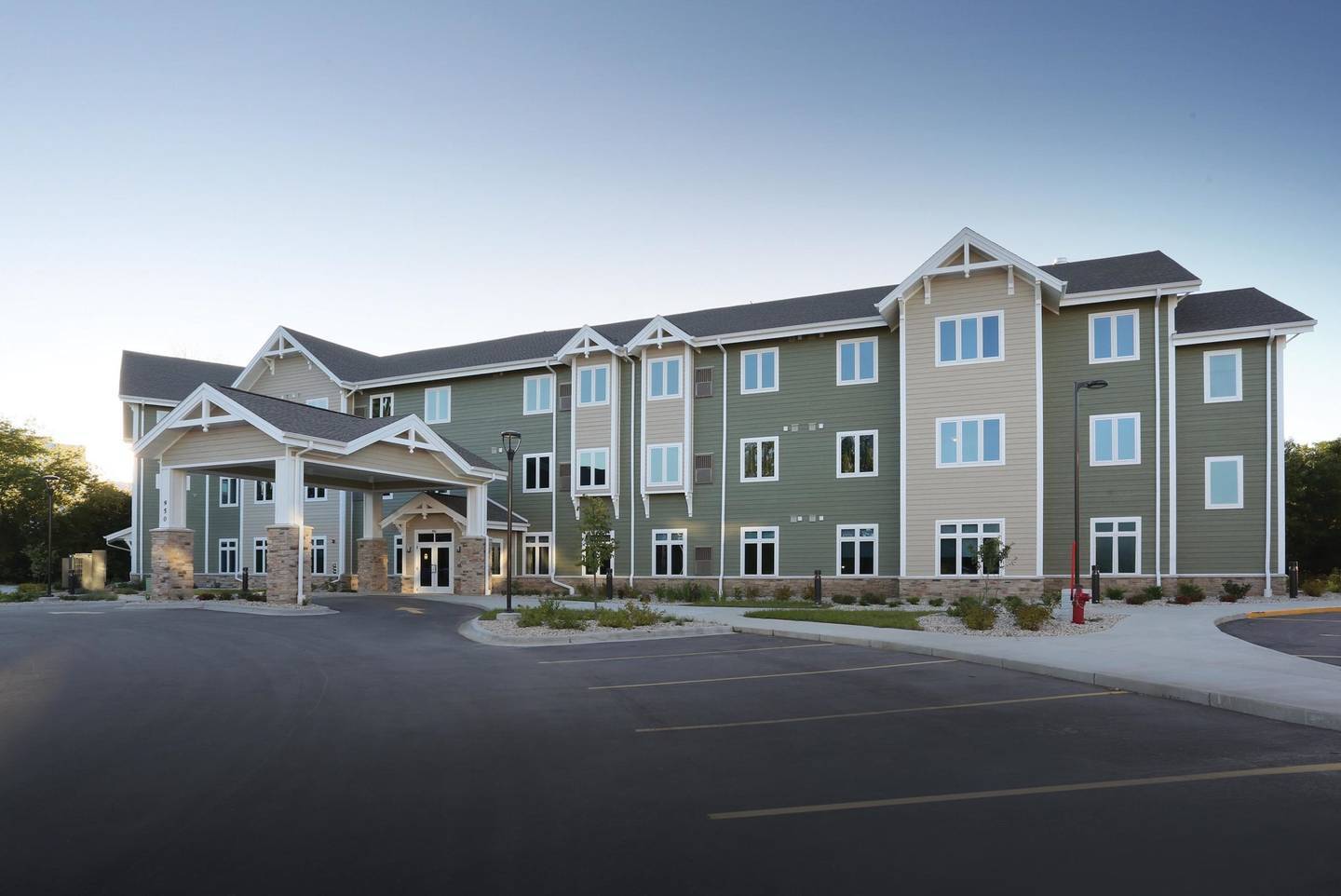
The previously mentioned senior living community is a model example of what thoughtful planning can achieve. Facing evolving market dynamics and a shifting resident profile, this community engaged in a process that followed the steps outlined above.
Key outcomes:
- Service mix alignment: Market assessments revealed an unmet need for memory care. In response, the community repurposed a portion of its skilled nursing beds to create a new community-based residential facility for memory care residents.
- Community refresh: Recognizing that their SNF facilities were aging and at risk of losing competitiveness, leadership prioritized renovations to modernize space and improve market position.
- Growth-oriented development: Analysis also identified the need for additional assisted living. The board approved a new residential care apartment complex, strategically designed for future expansion, enabling the community to grow with demand rather than overbuilding upfront.
What made their process effective was not only their data-driven approach, but also the inclusive process and the strong board involvement at every stage.
Common obstacles and how to overcome them
Planning efforts often face both internal and external challenges. Successful organizations anticipate those roadblocks and plan accordingly.
- Internal challenges: Staffing capacity and workforce availability are critical. If your growth plans exceed your ability to hire qualified personnel, then success becomes difficult to both attain and sustain.
- External threats: The competitive landscape must be considered. You must include market positioning, not just service expansion.
- Financial barriers: Today’s economic environment involves complex cost considerations related to market growth, regional salary expectations, fluctuations in constructions costs and inflation. Those considerations must be factored into strategic decisions. Early feasibility studies help identify limits and steer plans toward achievable goals.
Through comprehensive assessments and realistic financial modeling, organizations can develop contingency strategies that allow for flexibility without compromising vision.
Start now, plan smart
Thinking strategically is your organization’s opportunity to pause, assess and design a future with purpose. The process must be comprehensive — incorporating internal evaluations, market research and financial feasibility — driven by your leadership team with strong engagement from the board.
When done with careful consideration, strategic planning becomes more than a report. It becomes a road map that guides you to long-term impact.
Don’t wait for the perfect moment. Start the process today. Conduct your assessments, engage your board and partner with experienced advisors to help you plan with clarity and confidence. Your community deserves a strategy built for the future.